How Middle East Conflict Is Driving Global Markets
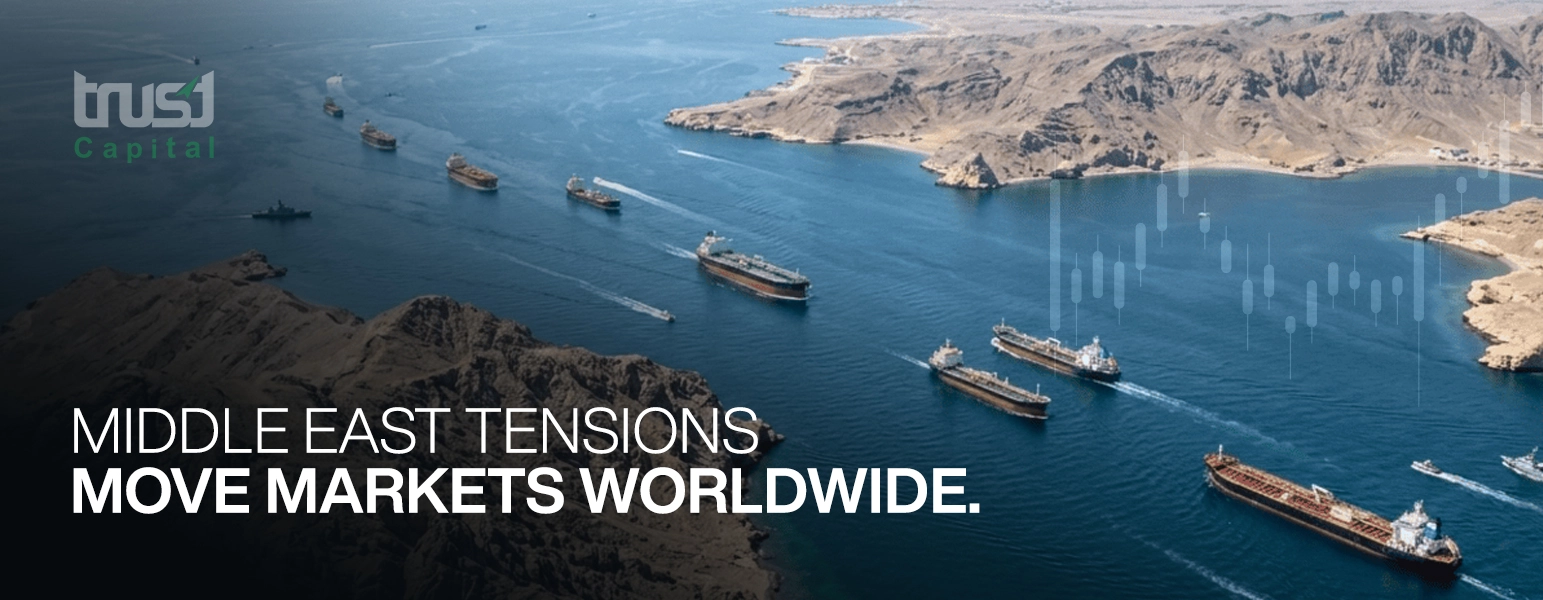
The ongoing Middle East conflict has become one of the most powerful forces driving global markets in 2026. What was once seen as a regional geopolitical issue is now a key factor influencing oil prices, currencies, equities, and investor sentiment worldwide. The Middle East impact is being felt across all major asset classes, making it a central theme in today’s financial landscape.
Why the Middle East Matters to Global Markets
The Middle East holds a strategic position in the global economy, particularly due to its dominance in energy supply. Any escalation in tensions directly affects oil production and transportation routes, making the region a critical driver of conflict global markets. This is why even minor developments can trigger major reactions in top global markets.
Oil Prices: The Core of Middle East Driving Forces
Oil remains the most immediate channel through which the Middle East global influence is transmitted. Rising tensions often lead to fears of supply disruptions, pushing oil prices higher. This surge impacts transportation, manufacturing, and overall inflation, reinforcing how best driving markets are closely tied to energy movements during geopolitical crises.

Equity Markets Under Pressure
Global stock markets react quickly to geopolitical risks. The conflict global markets narrative is evident in increased volatility, declining investor confidence, and sector-specific movements. Energy and defense stocks often gain, while broader indices face pressure—demonstrating the uneven top global conflict impact across sectors.
Inflation and Central Bank Response
Higher oil prices driven by the Middle East conflict contribute to rising inflation. Central banks may delay rate cuts or adopt tighter policies to control price pressures. This creates a feedback loop affecting borrowing costs, investment decisions, and overall economic growth in driving markets 2026.
Sector Winners and Losers
Not all sectors react equally. Energy, commodities, and defense sectors often outperform during conflict periods, while technology and consumer sectors may struggle. Identifying these trends is key to navigating top middle markets and understanding the broader Middle East driving influence.
Global Supply Chains and Trade Risks
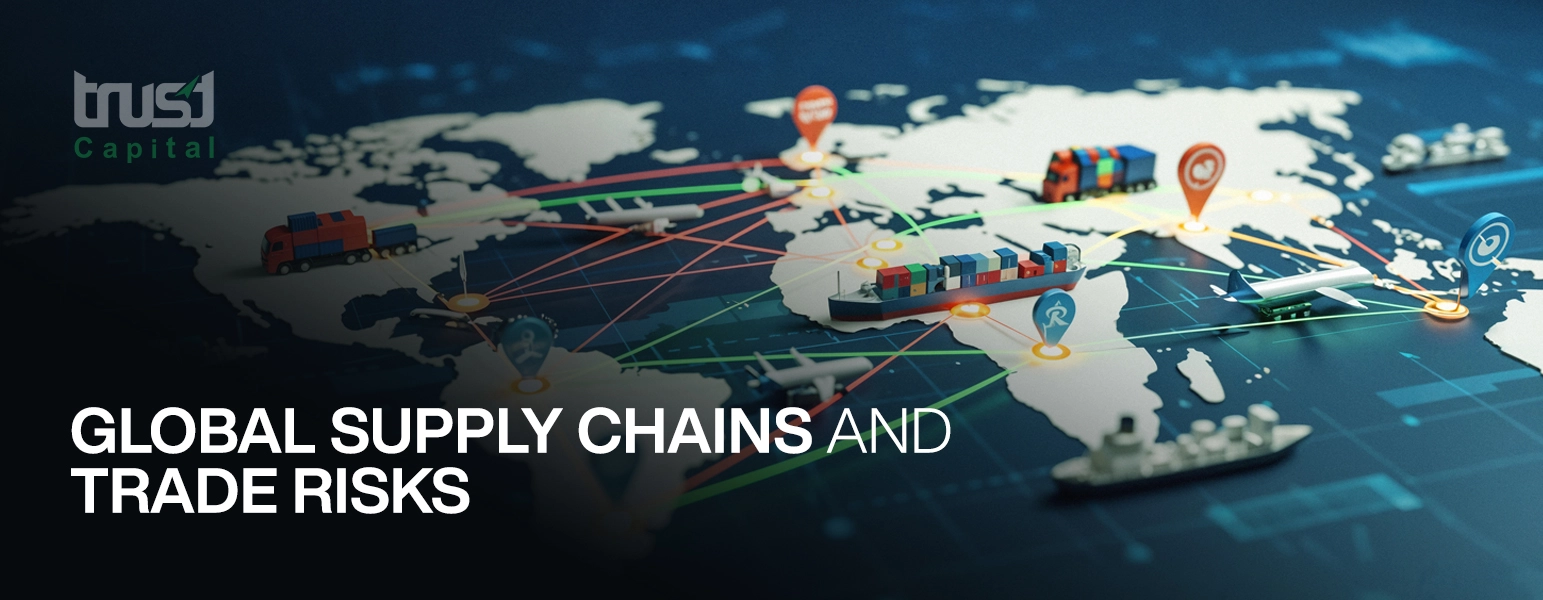
Conflict in the Middle East can disrupt key shipping routes and trade flows, particularly through strategic chokepoints. This affects global supply chains, increasing costs and delays, further amplifying the global markets 2026 volatility.
Conclusion: A Conflict Reshaping the Financial World
The Middle East conflict is no longer just a geopolitical issue—it is a major force driving global markets. Its widespread global impact 2026 is evident across oil, gold, currencies, and equities. As uncertainty persists, investors must stay informed and adaptable, recognizing that geopolitical events are now central to market movements in an increasingly interconnected world.